Welcome to the Powell Group Website
Welcome to the newly designed Powell Group website, we hope you find the information located on these pages useful. Please use the navigation bar at the top of the website to get around.
If you have any concerns, comments, or feedback please contact us.
News
August 2026 | Luminescent Chiral Polyoxometalate Networks
'Here we report a series of all-inorganic lanthanide-containing polyoxometalate (Ln−POM) hybrid clusters, featuring a rare 6:2 lanthanide-to-POM motif. The clusters consist of a hexanuclear {Ln6(μ3-OH)3(H2O)9}15+ unit sandwiched between two achiral trilacunary {A-α-SiW9O34}10- polyanions, forming a robust three-dimensional chiral network with srs topology. The solid-state temperature-dependent photoluminescence studies of the Eu(III)-analogue underscores the utility of Eu(III)-based emission as a sensitive probe of site symmetry and dynamic structural modulations.
DOI:https://doi.org/10.1021/acs.inorgchem.6c01507

August 2026 | Large carbonate-bridged Ni-4f cluster where the NiII ions determine the spin structure
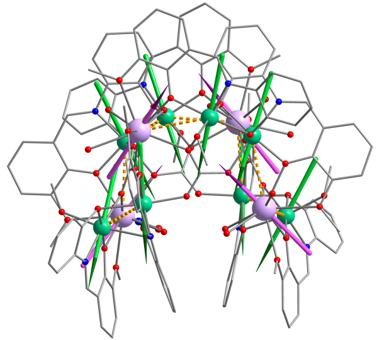
A combined experimental and theoretical study on a {NiII8LnIII4} cluster (with LnIII = YIII, GdIII and DyIII) reveals a spin structure dominated by the strong Ni-based exchange coupling. This helps to the rationalize the µ-SQUID magnetization loops.
DOI:https://doi.org/10.1002/chem.71499
July 2026 | Proposing an experiment to directly measure giant toroidal moment in a Fe-Dy nano-ring
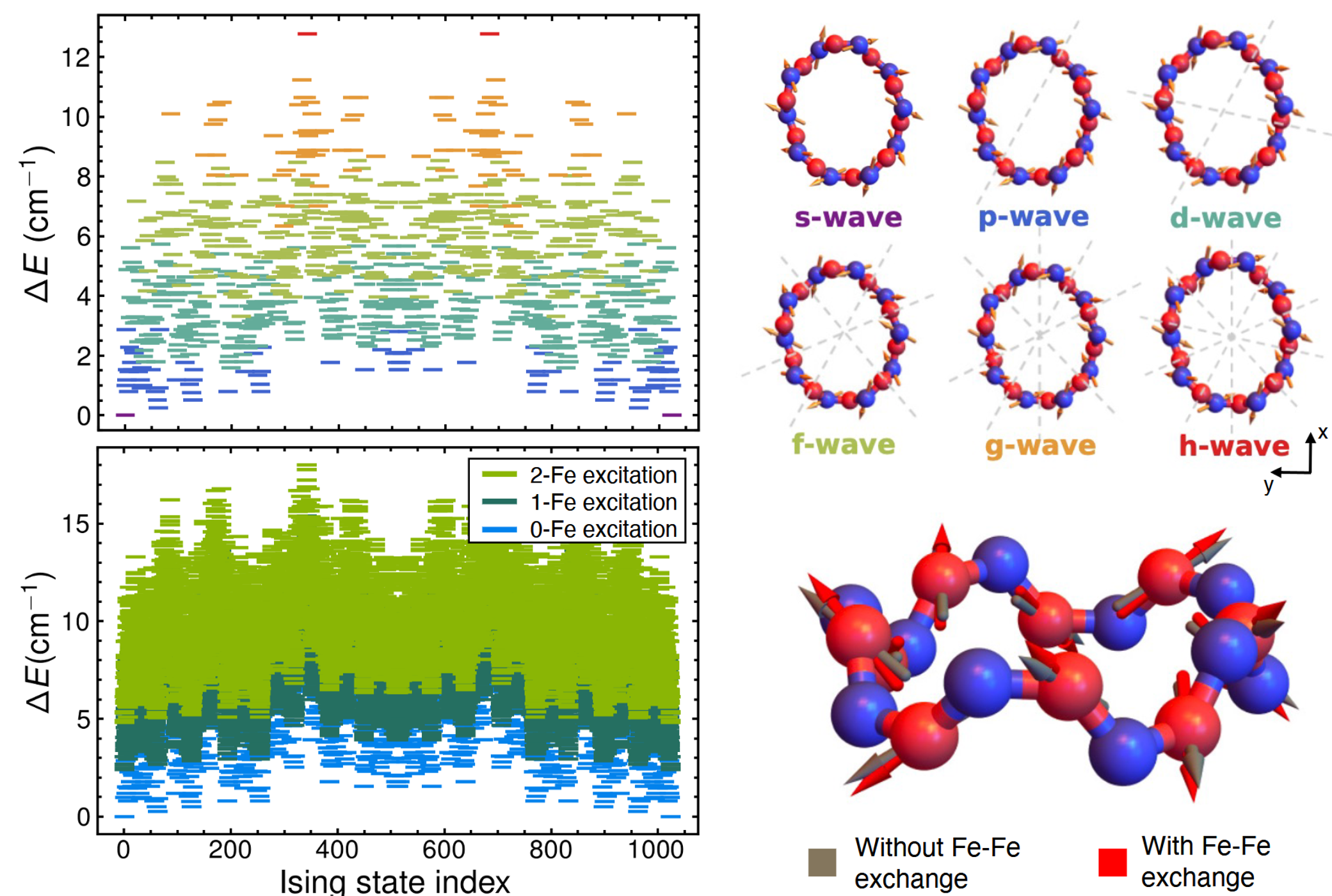
The ground state of an {FeIII10DyIII10} ring was calculated to be a giant toroidal moment taken into account ca. 62 billion states. As a result of the large nano-scale radius this compound may for the first time be amenable for the direct experimental observation of a toroidal moment using femtosecond laser pulses.
DOI:https://doi.org/10.1038/s41467-026-75612-6
July 2026 | Highly symmetric halogen bonding network in a Dy-SMM
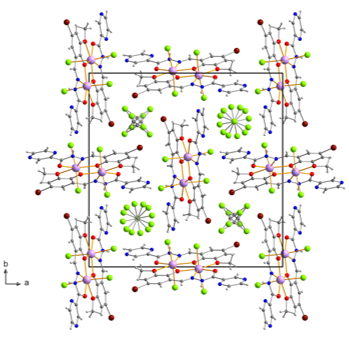
Solvent-mediated halogen bonding was identified in a Dy2 dimer SMM and quantified using quantum chemical calculations. The network result in a stabilization energy of 75-81 kJ/mol.
DOI:https://doi.org/10.1002/zaac.70181
June 2026 | Benchmarking 4f-exchange couplings
We investigated 27 Gd2 molecules with Broken-Symmetry DFT establishing the surprisingly high precision of these calculations compared to experimental evidence. With the right setup, Mean Absolut Errors smaller than 0.02 cm-1 for the coupling can be achieved. This work was published in the Special Issue for Annies 65th birthday and is the cover of the June edition of Magnetochemistry.
DOI:https://doi.org/10.3390/magnetochemistry12060067

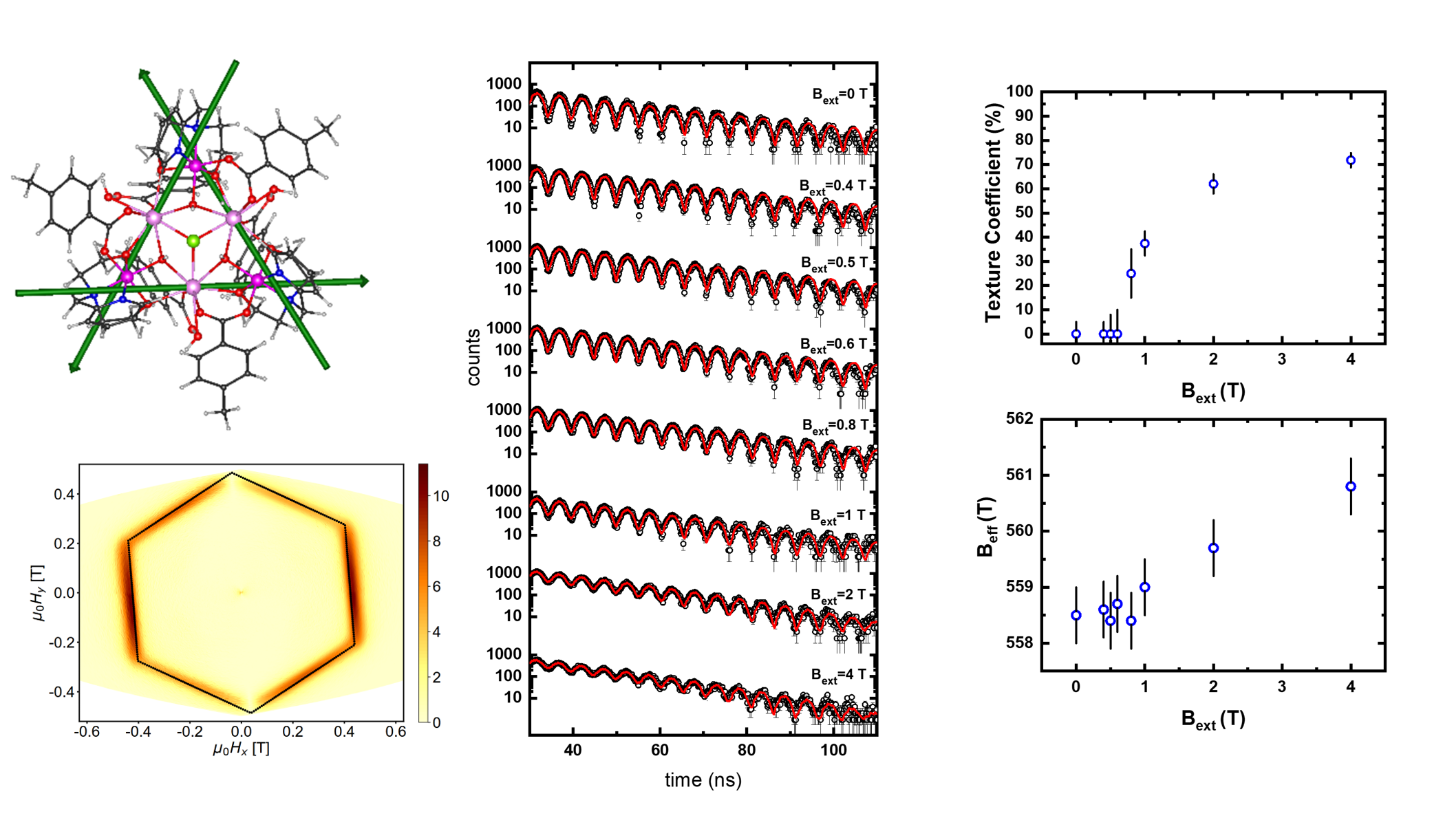
April 2026 | 161Dy Mößbauer spectroscopy as new tool to identify magnetic transitions in SMTs
A {CoIII3DyIII3} cluster is characterized using both randomly oriented powder samples as well as single crystal measurements to reveal a toroidal ground state. The Boltzmann distribution-independent 161Dy Synchrotron Mößbauer Spectroscopy (SMS) hereby is identified as a useful way to gain information on magnetic transitions.
DOI:https://doi.org/10.1038/s41467-026-71058-y
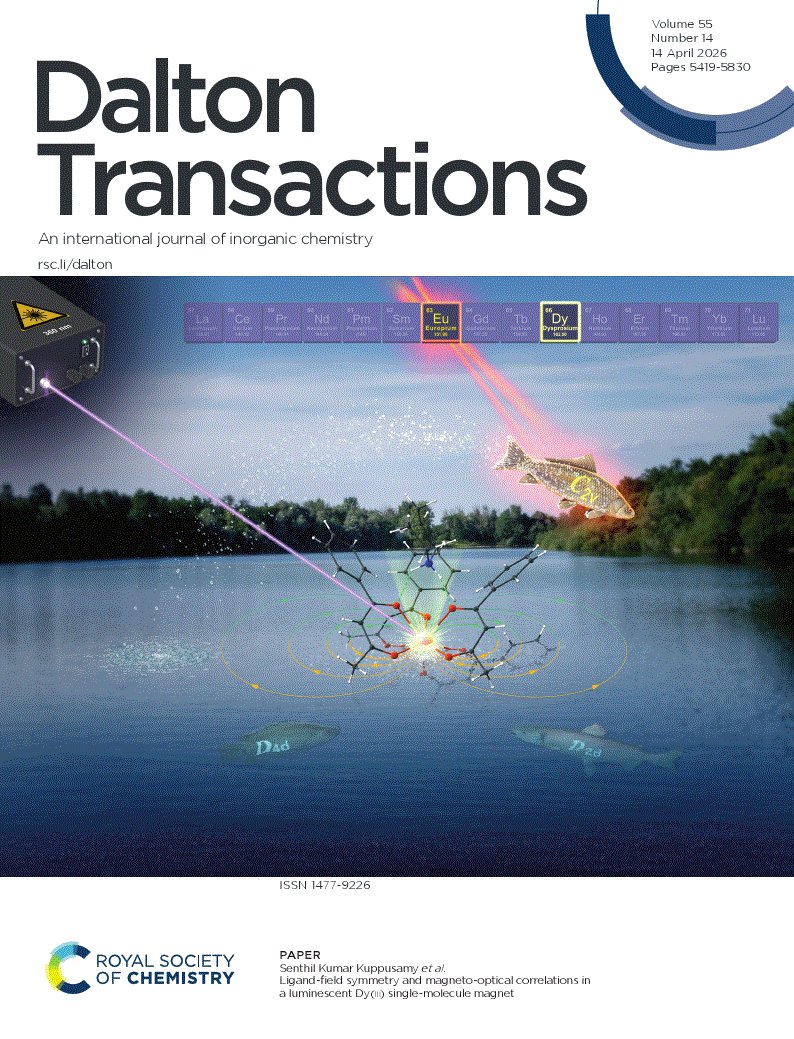
April 2026 | Symmetry, Magnetism and Luminescence combined
In a study with the group of Mario Ruben, we could analyze the combined magnetic and luminesence data of a Dy-SIM in a multiconfigurational approach. This work was choosen as this issues cover of Dalton Transactions.
DOI:https://doi.org/10.1039/D6DT00081A
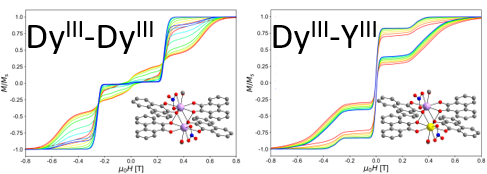
December 2025 | Radical strait-jacket leads to quenched QTM
Radical-radical interactions in {DyIII2(Rad)4} dimer lead to ultrashort Dy-Dy distance and strong dipolar field quenching QTM. Doping the compound with YIII turns QTM back on.
DOI:https://doi.org/10.1021/acs.inorgchem.5c04406
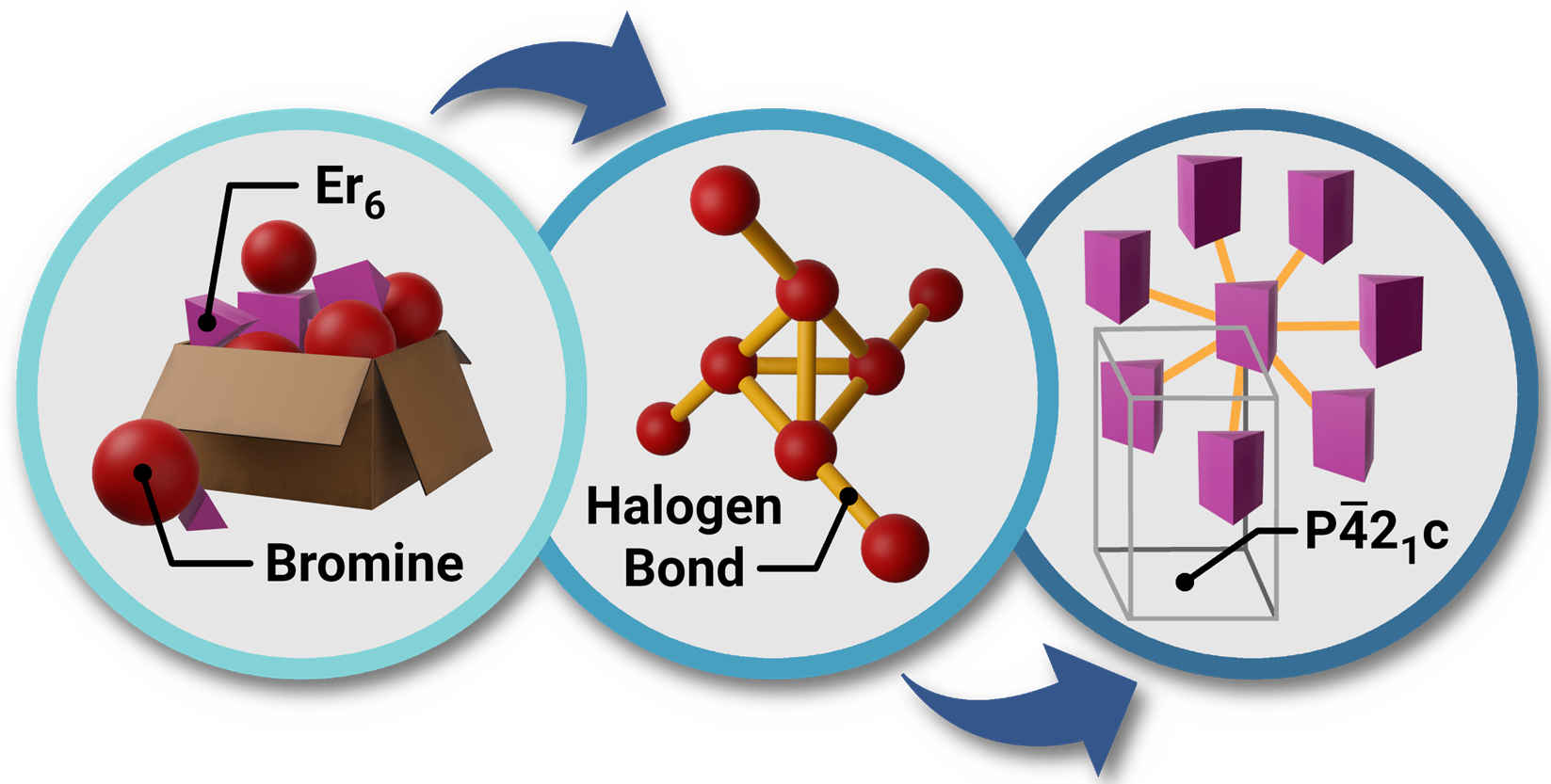
July 2025 | The influence of a bromine atom
We report the synthesis of two novel Er6 clusters where one uses a bromine substituted ligand. As a result the bromine containing compound forms a 7-connected tetragonal network through halogen-halogen bonding. The stabilisation of the cluster was investigated using quantum chemical calculations which reveal interactions between the halogen-halogen bonds. This is the first report of such cooperative effects in an inorganic coordination cluster.
DOI:https://doi.org/10.1021/acs.cgd.5c00517
July 2025 | Disrupting Spin-Crossover
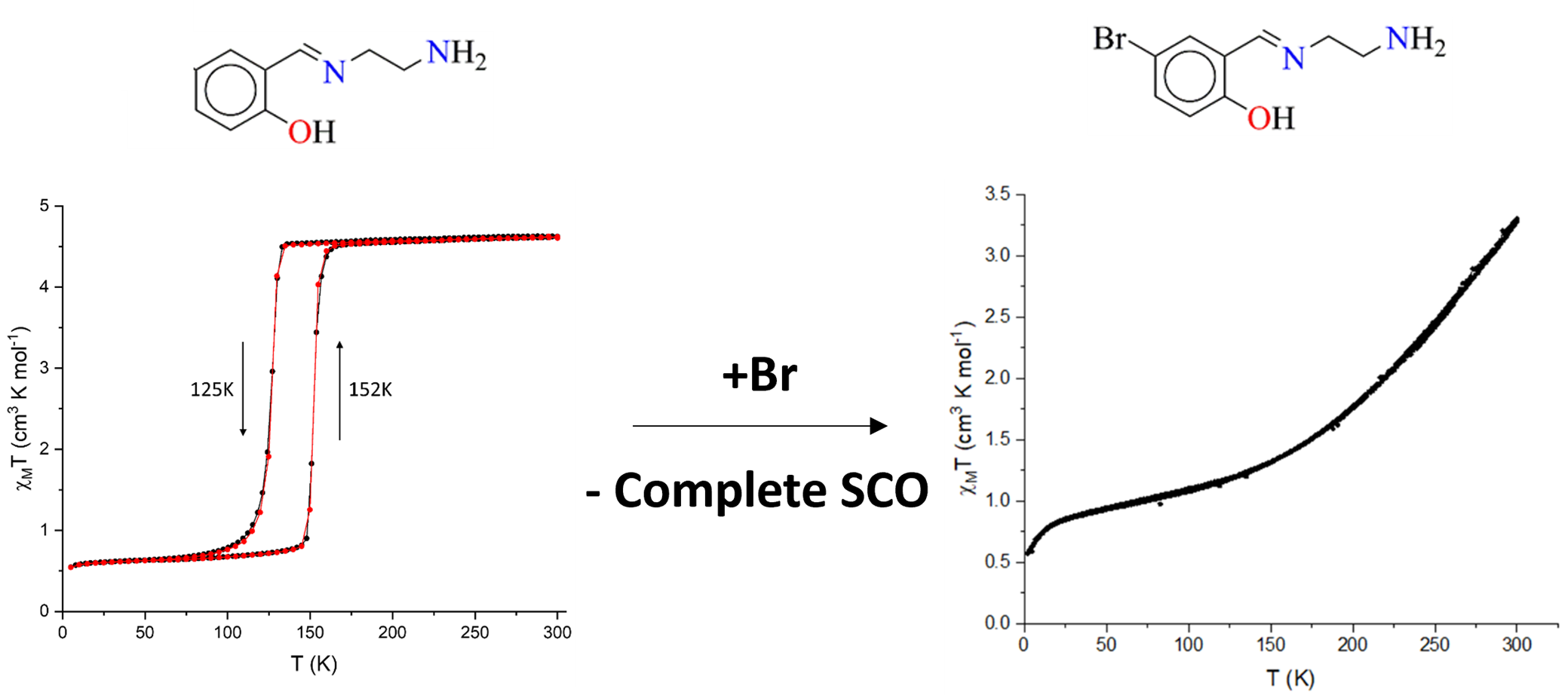
In a modification of our previously published Fe(III) compound exhibiting sharp, complete and hysteretic SCO 10.1039/D4NJ03532A, we report the isostructural mononuclear Fe(III) compound with a bromine atom added to the ligand. The spin transition is now extremely broad and incomplete with the compound not being high-spin at 300 K.
DOI:https://doi.org/10.1039/D5NJ02493E
Older News (expand)
April 2025 | Vanadium Butterflies!
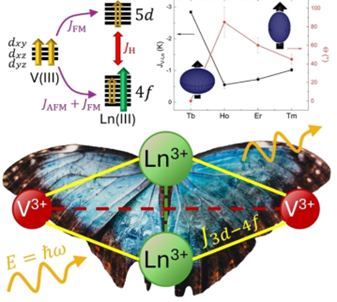
Here we report a series type II butterfly complexes using V(III) ions. This not only extends the butterfly testbed system towards the earlier 3d transition metal ions but also allowed us to study the interplay of magnetic single ion anisotropies and 3d-4f exchange interactions using a mixture of magnetometry (SQUID and µSQUID) and high frequency/high field EPR.
DOI:https://doi.org/10.1002/ceur.202500011
March 2025 | Outstanding Reviewer Award
Dr. Jonas Braun has been awarded the Outstanding Reviewer Award of Magnetochemistry! Read more about it here:
magnetochemistry
December 2024 | The Last Piece to Understand a Frustrated Fe7 Cartwheel Cluster
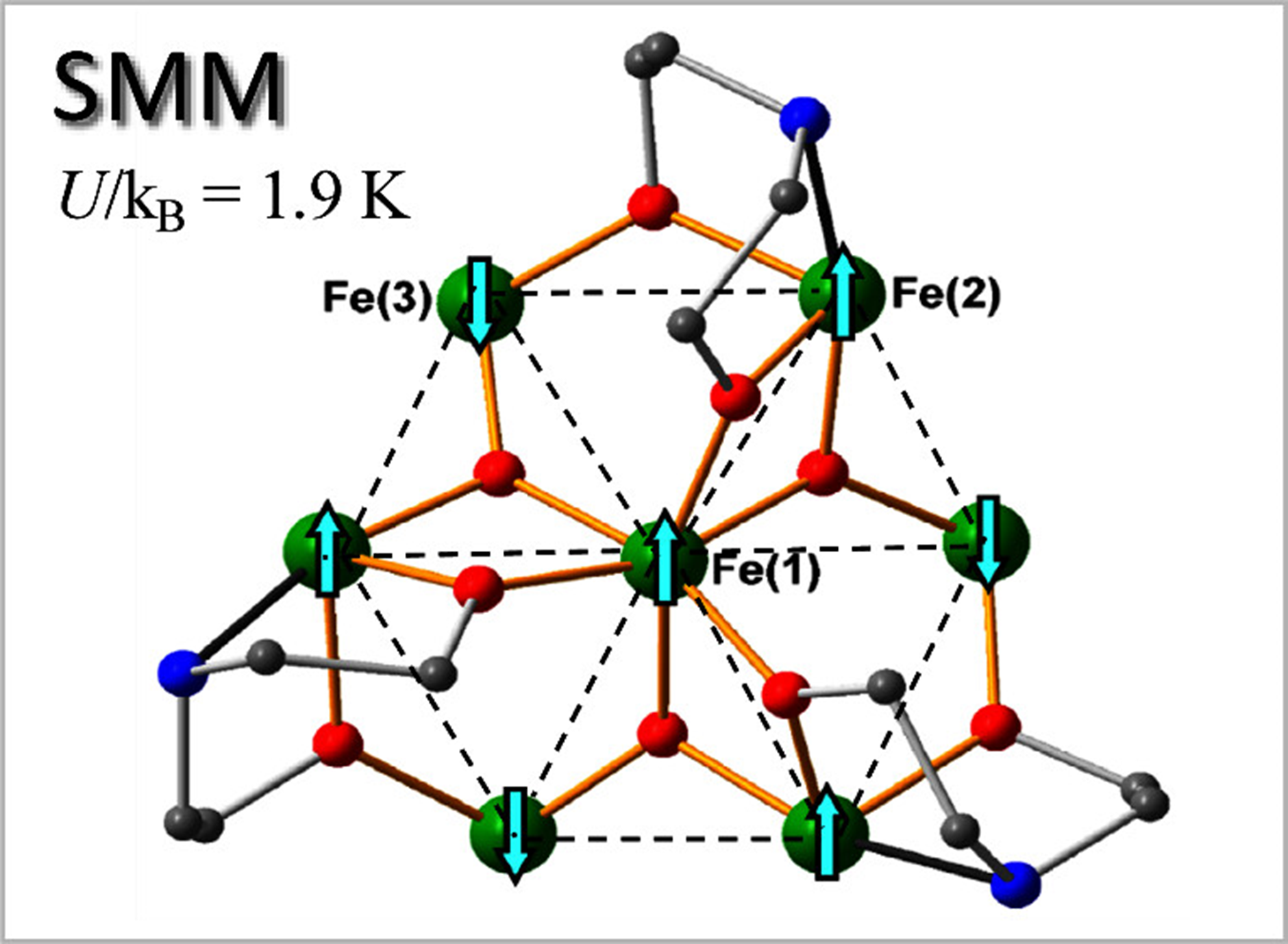
In this publication we confirm the postulated SMM behaviour of a frustrated Fe7 compound via low-temperature SQUID magnetometry and Mössbauer spectroscopy. We are furthermore able to confirm the previously reported frustrated spin structure.
DOI:https://doi.org/10.1021/acs.inorgchem.4c04191
November 2024 | POMs for Cathode-Coating
The cycling performance and stability of Ni-rich NCM851005 cathodes have been enhanced through a polyoxovanadate coating. This approach has shown effectiveness in both liquid- and solid-state batteries, contributing to the development of more durable energy storage solutions.
DOI:https://doi.org/10.1002/batt.202400601

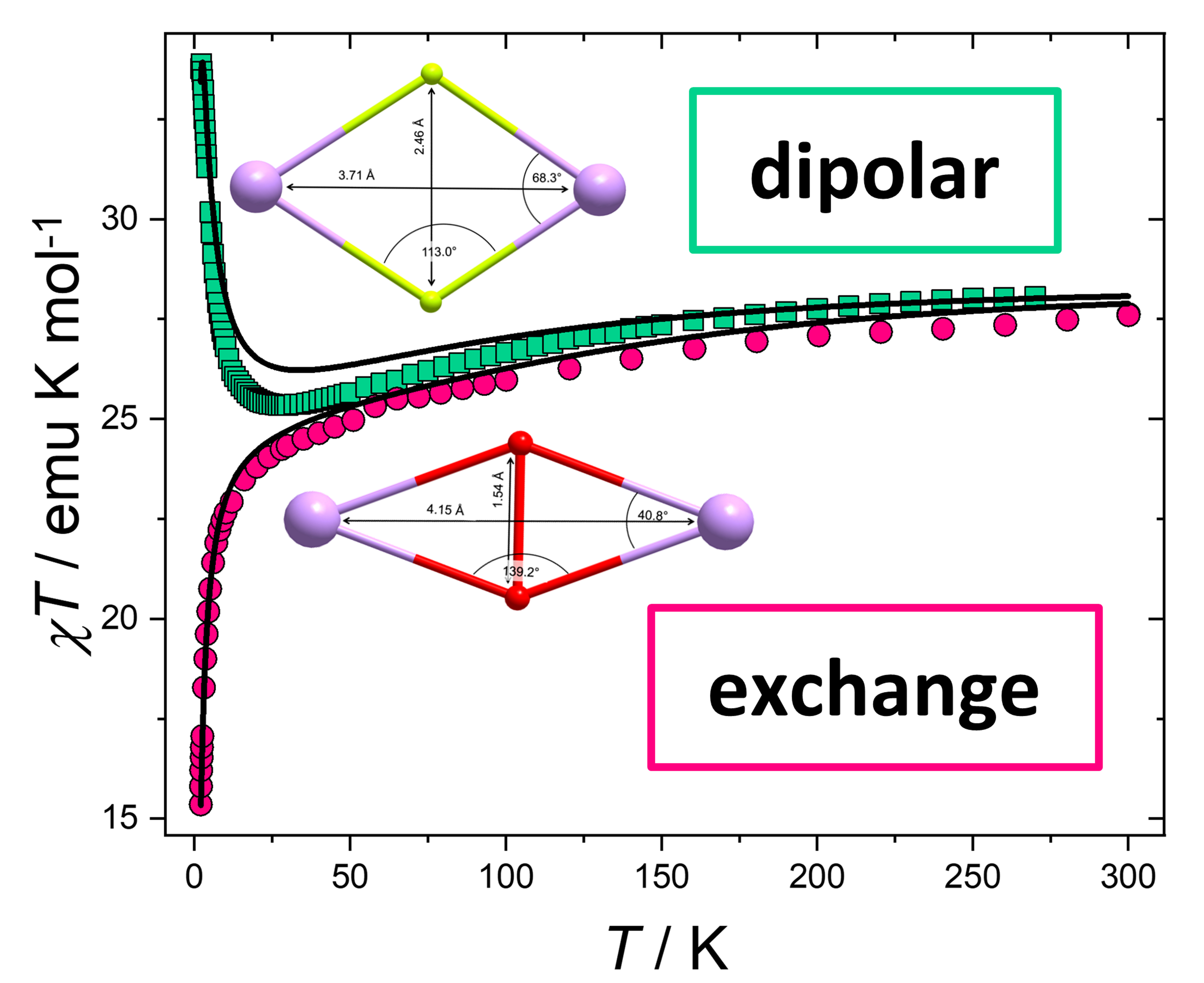
October 2024 | Effect of Rigidity of Bridging Ligands between Dy(III) ions
Here we report two dinuclear Dy(III) compounds which differ only in their bridging ligands (fluoride vs peroxide). The difluorido-bridged compound is ferromagnetically coupled only shows very weak SMM behaviour whereas the peroxide-bridged compound, owing to its rigidity as a result of the O-O bond, shows dominant antiferromagnetic exchange and good SMM behaviour. The reason for the latter is likely the modulation of the phonon spectrum.
DOI:https://doi.org/10.1002/chem.202403002
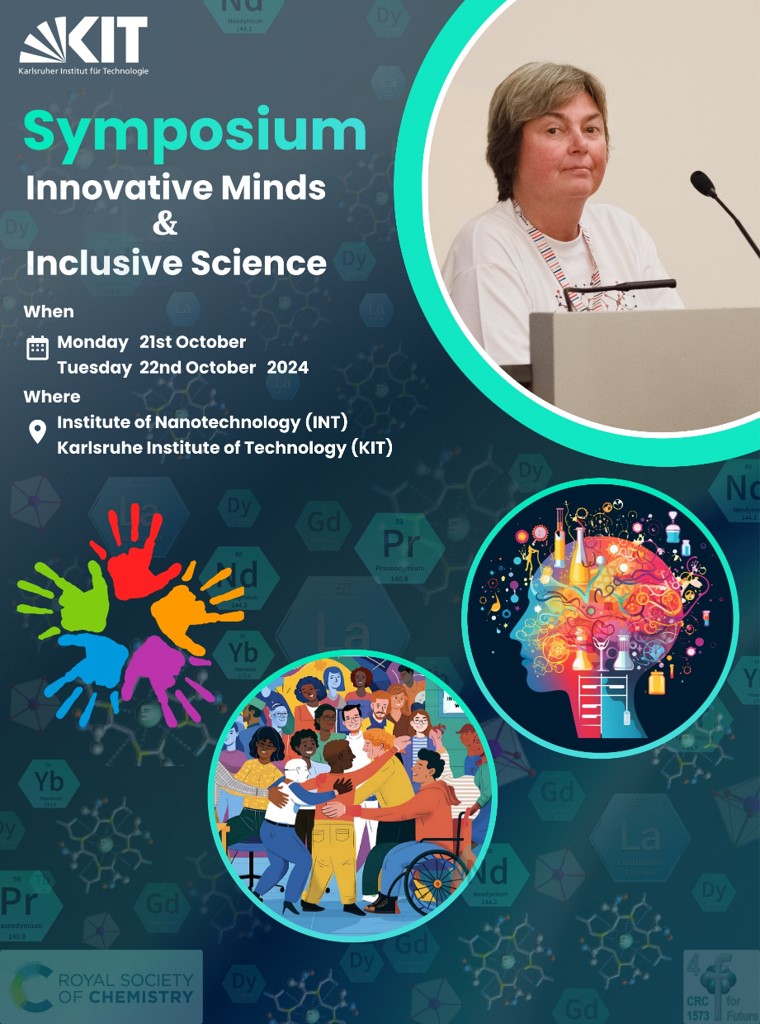
October 2024 | Birthday Symposium
We are celebrating Annie Powells 65th birthday with a two day symposium on 4f-chemistry in collaboration with the "4f for future"-CRC. Check out more on our website here.
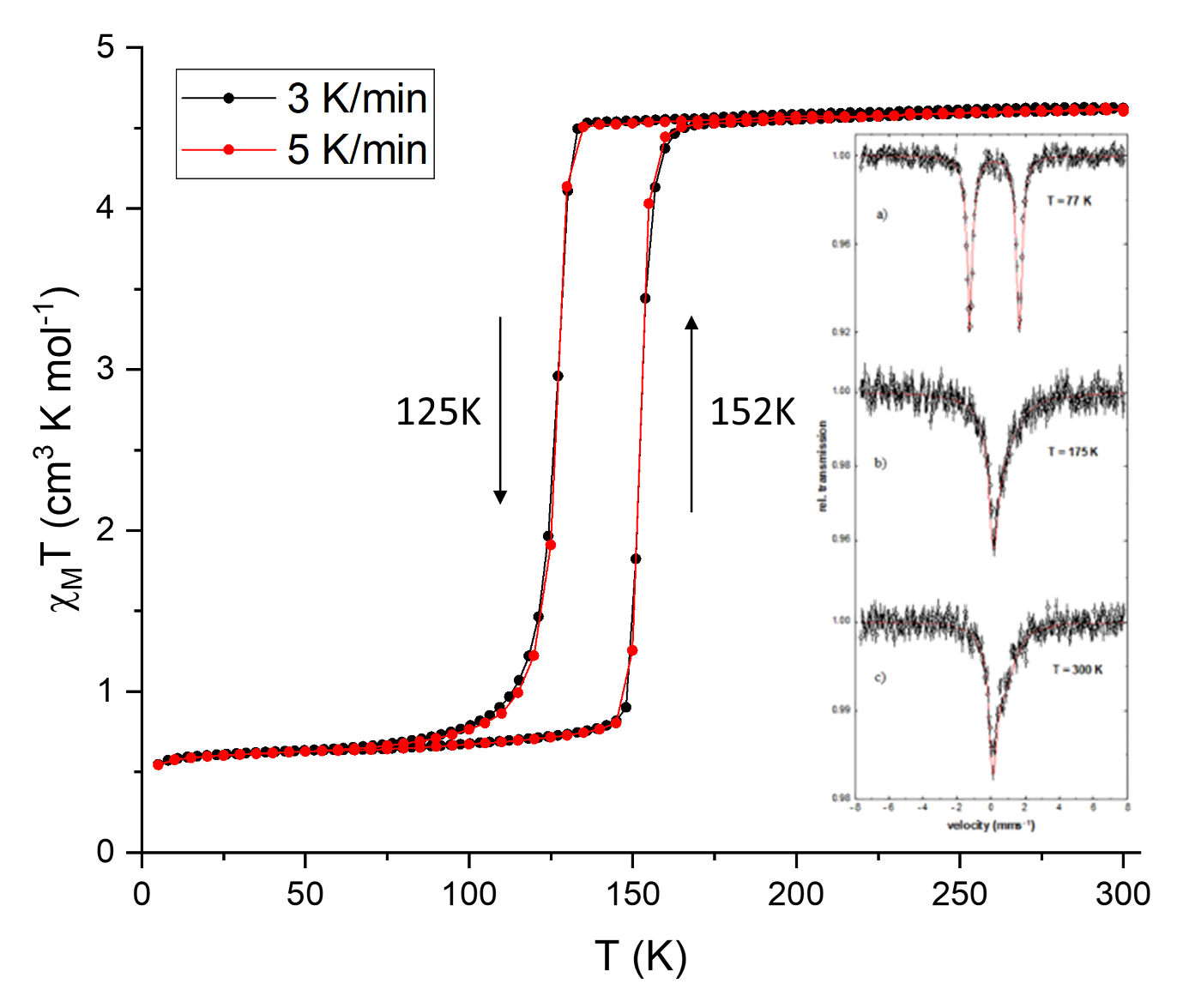
September 2024 | Mononuclear Fe(III)-Spin Crossover
This publication reports the study of the spin state of a mononuclear spin crossover (SCO) compound using SQUID magnetometry and Mössbauer spectroscopy in a collaboration between Addis Adaba (Ethiopia), Kaiserslautern and Karlsruhe. The complex exhibits an abrupt SCO transition and open hysteresis between 125 and 152K.
DOI:https://doi.org/10.1039/D4NJ03532A
August 2024 | Book Chapter – 4f SMMs
In this book chapter we describe the development of 4f-based single molecule magnets since their discovery and the strategies on how to obtain high-performance SMMs highlighting the importance of female scientists in the field. Looking forward challenges and opportunities in this research area are outlined, consisting of designing multifunctional SMM-based materials and the necessary multitechnique approaches to characterise them.
DOI:https://doi.org/10.1016/bs.hpcre.2024.07.001
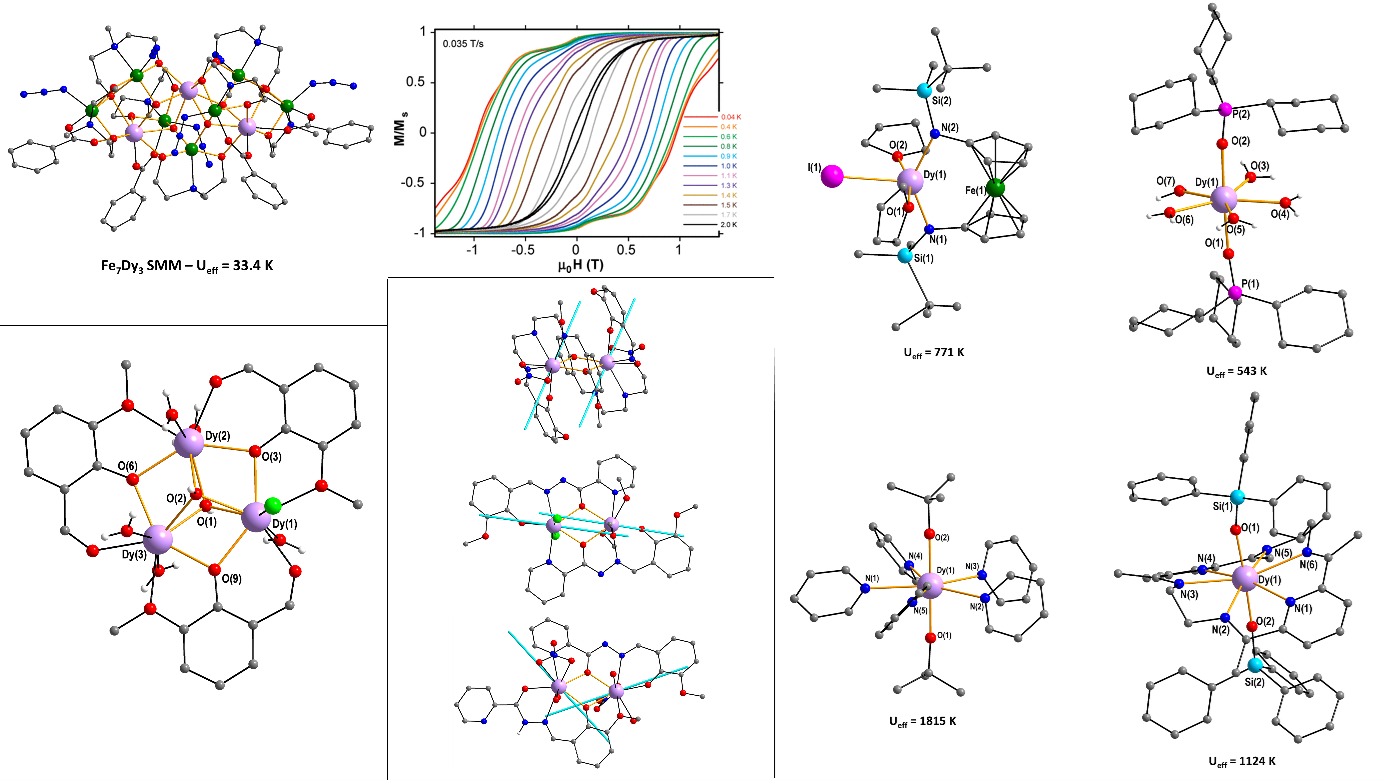
July 2024 | Cover Feature: On the Interaction of Light and Magnetism
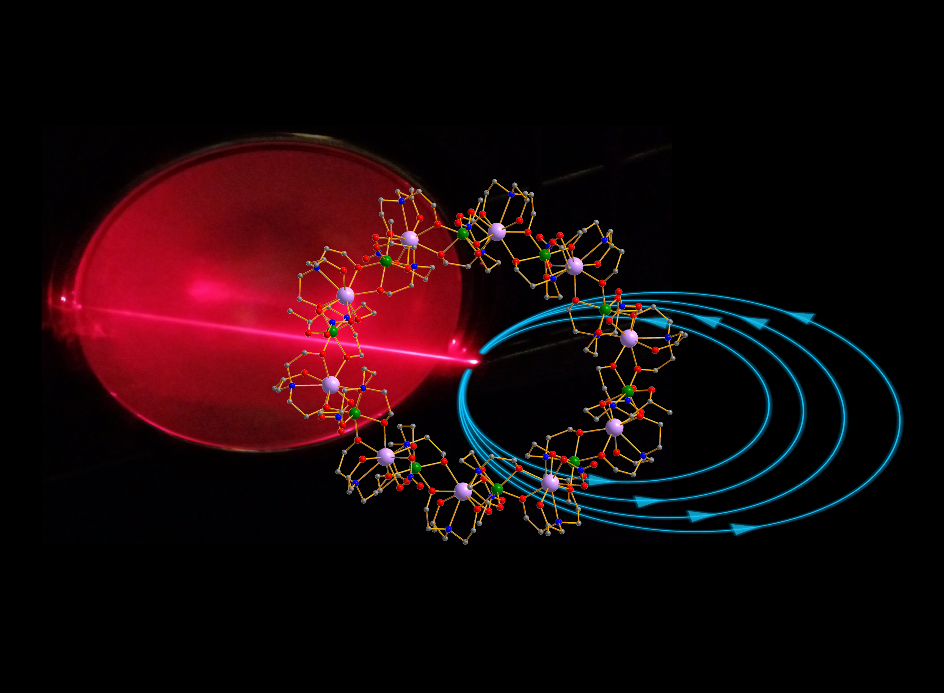
This cover feature represents an SMM which can show altered magnetic properties after photoexcitation. To study such effects experiments on multiple timescales are necessary.
DOI:https://doi.org/10.1002/chem.202402506
May 2024 | Concept Article – Multitechnique Approach on Various Timescales
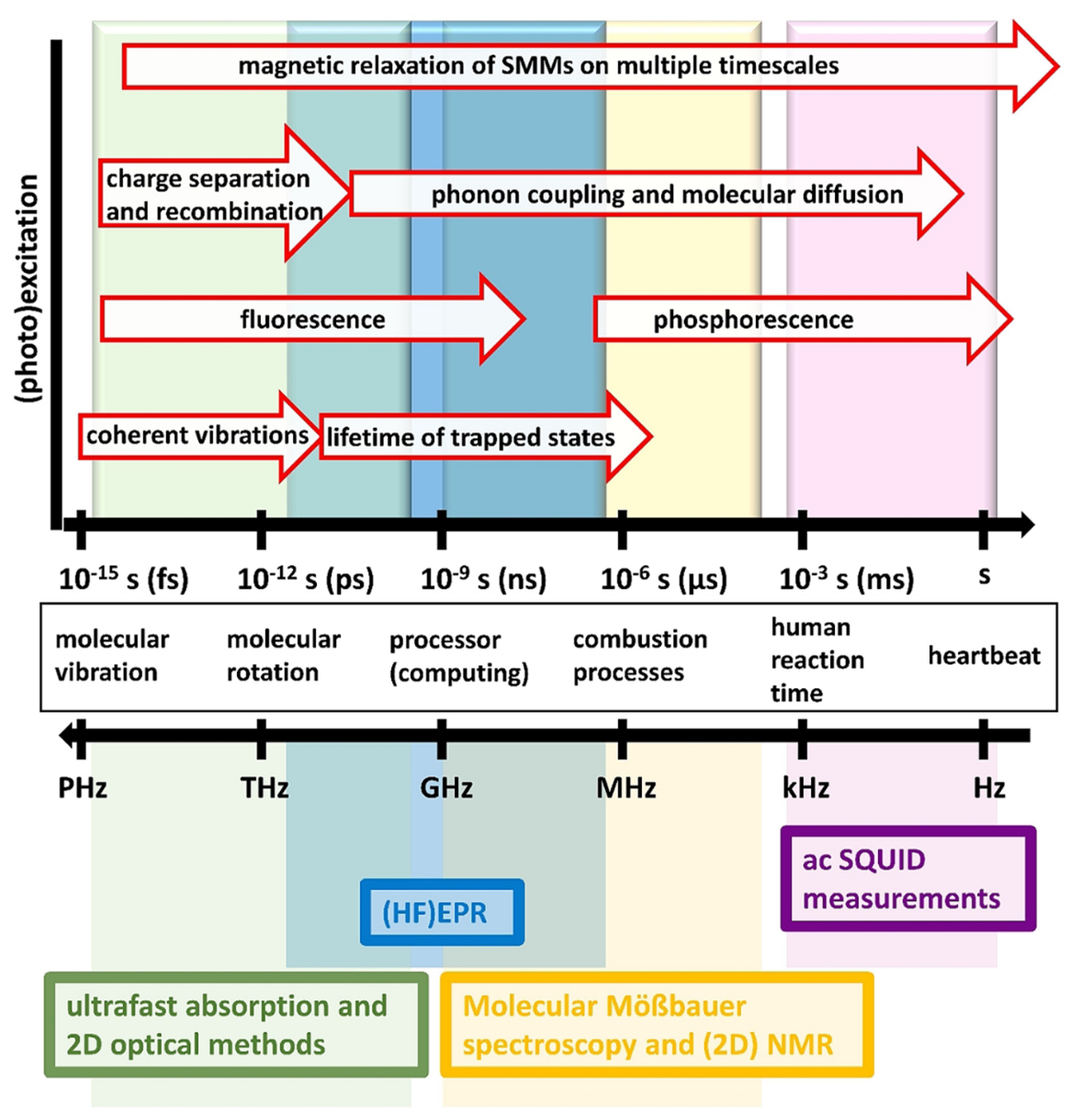
In this concept article the importance of combining experiments on various timescales from femtoseconds to seconds in order to understand the behaviour of photoexcited SMMs is highlighted and an outlook given on how to advance research in this area.
DOI:https://doi.org/10.1002/chem.202400977
March 2024 | Efficient MCE in a Gd8 cluster
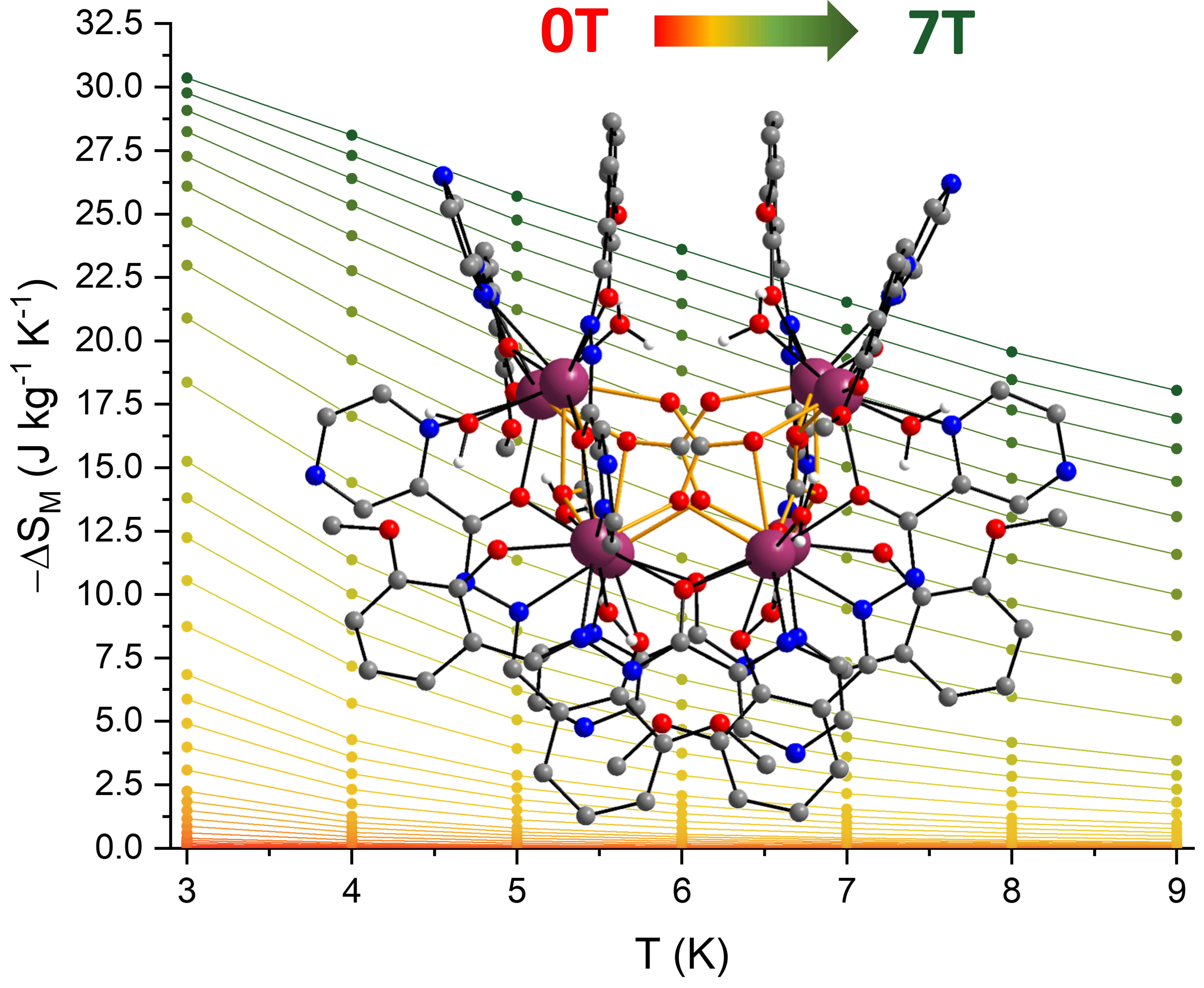
Here we report an octanuclear gadolinium coordination cluster with essentially uncoupled GdIII ions. This leads to a very efficient magneto caloric effect (MCE) making this compound a candidate as a molecular magnetic refrigerant.
DOI:https://doi.org/10.3390/ijms25010264
February 2024 | Rationalisation of exotic spin structures
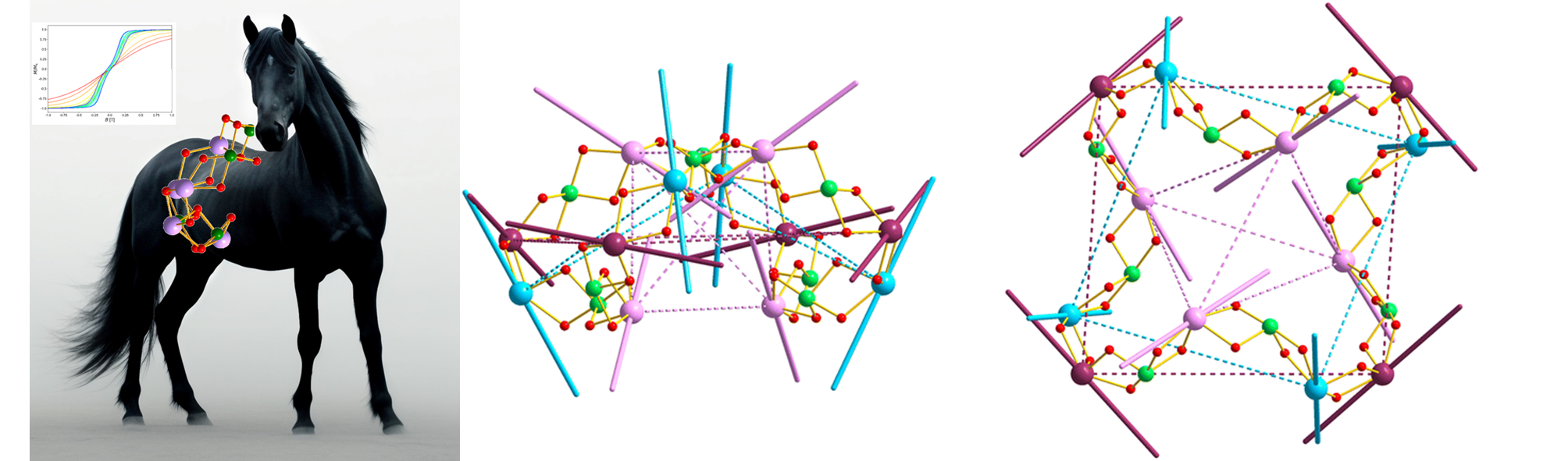
In this communication we present a study on a nanoscale saddle-shaped Fe8Dy12 cluster with an exotic nested spin structure including toroidal and spin-ice-like contributions and provide insights into the resulting magnetic behaviour.
DOI:10.1039/d3dt04141g
January 2024 | Polyoxometalate-loaded silica particles
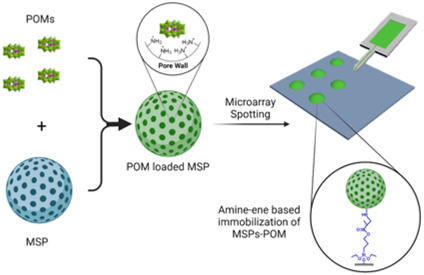
In our new paper, we explore the encapsulation of polyoxometalates in mesoporous silica-nanoparticles and printing them on alkene functionalized surfaces for amine-ene immobilization.
DOI:https://doi.org/10.1038/s41598-023-50846-2
April 2023 | Anisotropic Gadolinium
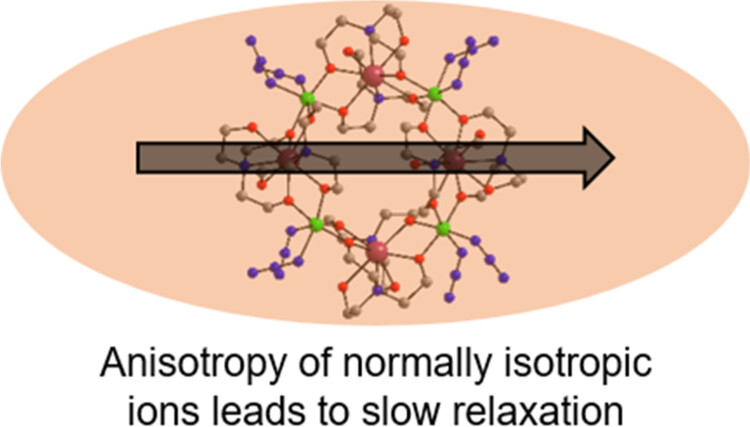
In this project we are showing that a small anisotropy of otherwise isotropic Gadolinium ions can lead to slow relaxation of magnetization.
DOI:10.1021/acs.inorgchem.3c00042